
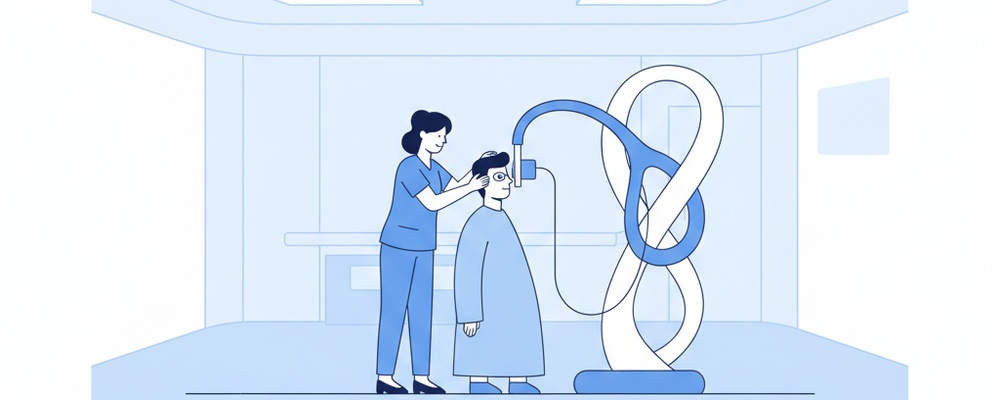
Feeling that gritty, scratchy sensation in your eyes? Tear Osmolarity Testing is a cutting-edge diagnostic tool that provides a precise measurement of your tears’ salt concentration. This quick and painless test is a key step in accurately diagnosing and managing Dry Eye Disease.
What is a Tear Osmolarity Testing?
Tear Osmolarity Testing is an advanced diagnostic procedure that measures the osmolarity, or the salt-to-water balance, of your tears. Healthy tears have a specific, stable concentration. In Dry Eye Disease, this balance is disrupted, leading to “hyperosmolarity” – meaning your tears become overly salty. This test uses a specialized, pen-like device to collect a tiny tear sample and provides a numerical score, giving your ophthalmologist at Pristine Eye Hospitals a precise, objective measure of your tear film’s health.
Why is this test performed?
To accurately diagnose and confirm Dry Eye Disease.
To determine the severity of Dry Eye (mild, moderate, or severe).
To create a personalized treatment plan based on objective data.
To monitor the effectiveness of your dry eye treatment over time.
How to Prepare for Your Tear Osmolarity Testing
Preparation for a Tear Osmolarity Test is minimal and designed to ensure the most accurate results. Your eye doctor will provide specific instructions, but generally, you should:
Avoid using any artificial tears, eye drops, or ointments for at least 2 hours before the test.
Refrain from swimming or getting excessive water in your eyes on the day of your appointment.
Do not wear contact lenses to your appointment, or be prepared to remove them well in advance as instructed.
The Procedure: What to Expect Step-by-Step
1. You will be seated comfortably, and your ophthalmologist will explain the process.
2. A specialized, pen-sized device with a sterile, single-use tip will be gently touched to the tear film on the white part of your lower eyelid.
3. The device collects a minuscule tear sample in a fraction of a second. The process is quick, non-invasive, and you will feel little to no sensation.
4. The device instantly analyzes the sample and displays a numerical osmolarity score for each eye.
Understanding Your Results
Your tear osmolarity is measured in milliosmoles per liter (mOsm/L). A score below 300 mOsm/L is generally considered normal and healthy. A score above 300 mOsm/L, or a significant difference in the scores between your two eyes, is a key indicator of Dry Eye Disease.
The higher the number, the more severe the condition. Your eye specialist at Pristine Eye Hospitals will interpret these results in the context of your overall eye health and symptoms. This precise measurement allows us to move beyond guesswork and tailor a treatment plan specifically for your level of dry eye severity.
Frequently Asked Questions
Is the Tear Osmolarity Test painful?
No, the test is completely painless and non-invasive. Most patients report feeling only a very light touch on their eyelid for a split second.
How long does the test take?
The entire process, from collecting the sample to getting the result, takes less than a minute for both eyes. It is one of the quickest and most efficient diagnostic tests in eye care.
Why is this test better than just describing my symptoms?
While your symptoms are very important, they can be subjective. This test provides an objective, numerical value that confirms the diagnosis and helps track your progress with treatment accurately.