
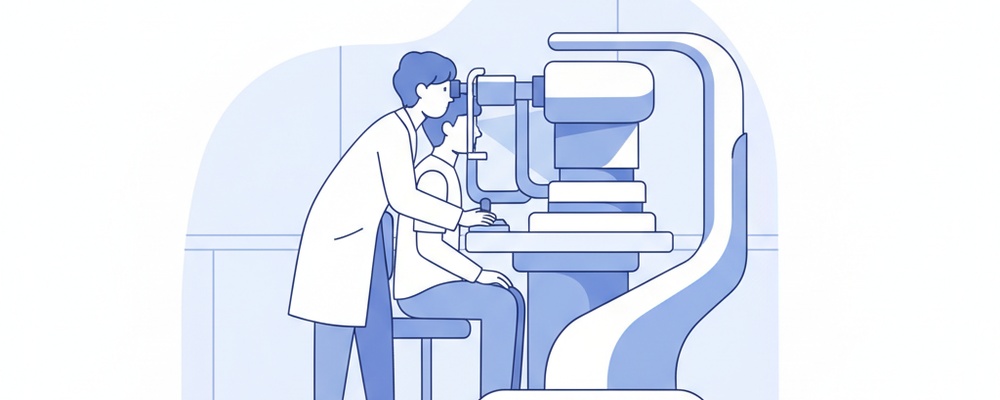
A Slit-Lamp Examination is a cornerstone of a comprehensive eye check-up, often referred to as the ‘Split Light Test’. This non-invasive diagnostic procedure allows our ophthalmologists at Pristine Eye Hospitals to get a highly detailed, three-dimensional view of your eyes. It is essential for the early detection and management of a wide range of eye conditions.
What is a Slit-Lamp Examination (‘Split Light Test’)?
The test uses a special high-magnification microscope called a slit-lamp biomicroscope. This instrument projects a narrow, high-intensity beam of light (the “slit”) onto the eye. By moving this beam across the eye’s surface and looking through the microscope, your doctor can examine the anterior structures—from the cornea (the clear front surface) and iris to the lens and vitreous gel—with exceptional clarity and depth.
Why is this test performed?
This examination is a critical tool for diagnosing and monitoring various eye health issues. Your doctor will perform it to:
Detect common eye diseases like cataracts (clouding of the lens), glaucoma (optic nerve damage), and macular degeneration.
Identify issues with the cornea, such as abrasions (scratches), ulcers, infections, or dystrophies.
Locate foreign bodies or debris that may have entered the eye and are causing irritation or damage.
Assess and monitor conditions related to systemic diseases, such as diabetic retinopathy or inflammation like uveitis.
How to Prepare for Your Slit-Lamp Examination (‘Split Light Test’)
Generally, no special preparation is needed for a slit-lamp exam. However, to ensure the most accurate assessment, it’s helpful to follow a few simple guidelines.
Bring your current eyeglasses or contact lenses with you to the appointment.
Inform your doctor about any eye symptoms you are experiencing, as well as your general medical history and any medications you are taking.
Your doctor may use eye drops to dilate your pupils for a better view of the back of the eye. If so, your vision will be blurry for a few hours, so it is best to arrange for someone to drive you home.
The Procedure: What to Expect Step-by-Step
1. You will be seated comfortably in the examination chair and asked to place your chin on a chin rest and your forehead against a support bar to keep your head steady.
2. The ophthalmologist will sit opposite you and dim the room lights to help your pupils widen slightly.
3. A narrow, bright beam of light will be shone into your eye as the doctor looks through the microscope. You will be asked to look in different directions (up, down, left, right) so all parts of the eye can be examined.
4. The doctor may apply a special non-toxic dye called fluorescein with an eye drop to highlight any issues on the corneal surface, or use dilating drops to get a clear view of the retina and optic nerve.
Understanding Your Results
The results of your slit-lamp examination are available immediately. Your ophthalmologist will discuss their findings with you directly after the test is completed. If your eye structures appear healthy and normal, this provides a valuable baseline for future comparisons.
If an abnormality is detected—such as the early stages of a cataract, a small corneal abrasion, or signs of elevated eye pressure—your doctor will explain the condition in detail. They will then outline the next steps, which could involve further diagnostic testing, monitoring the condition over time, or beginning a specific treatment plan.
Frequently Asked Questions
Is a slit-lamp exam painful?
No, the test is completely painless. The bright light may cause you to blink and can feel momentarily dazzling, but there is no physical discomfort involved.
How long does the slit-lamp test take?
The examination itself is very quick, typically lasting only 5 to 10 minutes per eye. If your eyes need to be dilated, you may need to wait 20-30 minutes for the drops to take effect before the exam.
Will my vision be blurry after the test?
Your vision will only become blurry if pupil-dilating eye drops are used. This temporary effect, along with light sensitivity, can last for a few hours, so wearing sunglasses afterwards is recommended.