
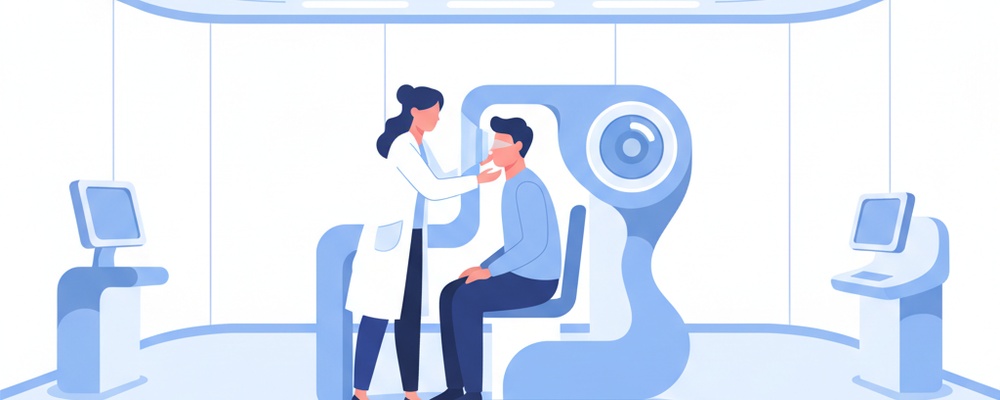
Glaucoma is a leading cause of irreversible blindness, often progressing without any symptoms until significant vision is lost. A glaucoma screening is a crucial preventative measure designed to detect the earliest signs of this disease. Early detection at Pristine Eye Hospitals allows for timely management, helping to preserve your precious sight for years to come.
What is a Glaucoma Screening?
A glaucoma screening is a series of quick, painless tests that assess your risk for developing glaucoma. It is not a single test but a combination of evaluations focused on the key indicators of the disease. The core components include tonometry, which measures the pressure inside your eye (intraocular pressure or IOP), and a direct evaluation of your optic nerve to look for any signs of damage, which is the hallmark of glaucoma. This screening provides a vital snapshot of your eye health, flagging potential issues before they cause permanent vision damage.
Why is this test performed?
This screening is essential for early detection, especially for individuals in high-risk groups. Key reasons to undergo a glaucoma screening include:
Age: Being over the age of 40 significantly increases your risk.
Family History: Having a close relative, such as a parent or sibling, with glaucoma.
Medical Conditions: Having underlying conditions like diabetes, high blood pressure, or cardiovascular disease.
High Intraocular Pressure (IOP): To determine if elevated eye pressure is present, which is a primary risk factor for glaucomatous damage.
How to Prepare for Your Glaucoma Screening
Preparation for a glaucoma screening is minimal and straightforward. To ensure our specialists have a complete picture of your health, we recommend you:
Bring your current eyeglasses or contact lenses with you.
Have a list of any medications you are currently taking.
Be prepared to discuss your family and personal medical history.
The Procedure: What to Expect Step-by-Step
The glaucoma screening process at Pristine Eye Hospitals is efficient and comfortable. Here is what you can typically expect:
1. Initial Consultation: A technician or ophthalmologist will discuss your medical history and any vision concerns you may have.
2. Tonometry (Eye Pressure Test): We will measure the pressure inside your eyes. This is most commonly done with a “non-contact” tonometer that uses a gentle puff of air, or an applanation tonometer that briefly touches the numbed surface of your eye.
3. Optic Nerve Evaluation: The specialist will use a slit lamp or other advanced imaging technology to look directly at the shape and colour of your optic nerve, checking for any signs of damage or abnormalities.
Understanding Your Results
After the screening, your ophthalmologist will discuss the findings with you immediately. If your eye pressure is within the normal range and your optic nerve appears healthy, you will likely be advised to continue with regular eye exams based on your age and risk profile.
If the screening reveals elevated eye pressure or suspicious changes in your optic nerve, it does not automatically mean you have glaucoma. It indicates that you are at a higher risk and require a more comprehensive diagnostic work-up. Your doctor will explain the results clearly and recommend the appropriate next steps, which may include further tests like a visual field analysis or an OCT scan to make a definitive diagnosis.
Frequently Asked Questions
Is glaucoma screening painful?
No, the entire process is completely painless and non-invasive. You may feel a brief, surprising puff of air or a slight sensation during the pressure check, but there is no pain involved.
How often should I get screened for glaucoma?
This depends on your risk factors. For individuals over 40 with no other risk factors, every 2-4 years is often sufficient, but those with a family history or other conditions may need annual screenings.
Does high eye pressure mean I have glaucoma?
Not necessarily. High eye pressure is a significant risk factor, but it is not a diagnosis on its own; a person can have ocular hypertension without glaucoma. A diagnosis is only made when there is evidence of corresponding damage to the optic nerve.