
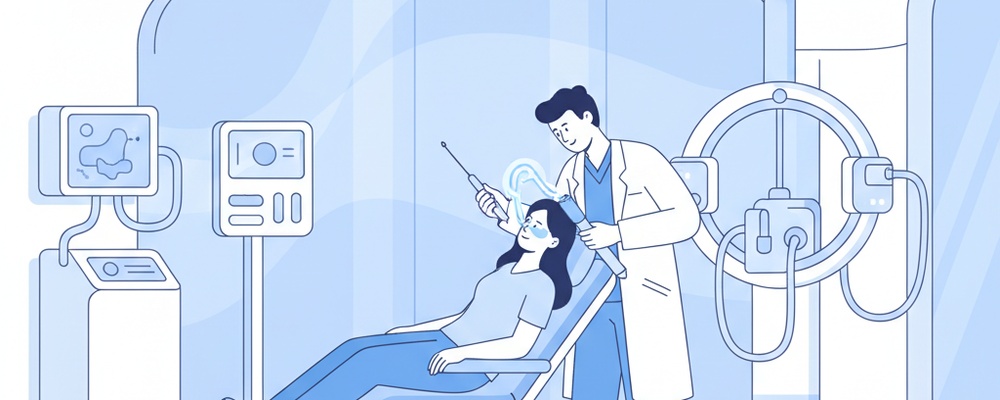
An Aqueous / Vitreous Tap is a highly specialized diagnostic procedure performed by our retina specialists at Pristine Eye Hospitals. It involves taking a tiny fluid sample from within the eye to accurately diagnose the cause of a severe infection or inflammation. This precise analysis is crucial for guiding the most effective, sight-saving treatment.
What is an Aqueous / Vitreous Tap?
The eye contains two types of clear fluid: the aqueous humor in the front part of the eye and the vitreous humor, a gel-like substance that fills the main cavity of the eye. An aqueous or vitreous tap is a procedure where a very fine needle is used to carefully extract a small sample of one of these fluids. This sample is then immediately sent to a laboratory for culture and analysis to identify the specific microorganism—be it bacteria, fungus, or a virus—causing a serious eye condition.
Why is this test performed?
This diagnostic test is critical for identifying the underlying cause of severe eye conditions. Your specialist may recommend it for several reasons, including:
To diagnose sight-threatening infections inside the eye, such as endophthalmitis or retinitis.
To identify the specific bacteria or fungus responsible for the infection, which allows for targeted antibiotic or antifungal therapy.
To investigate cases of severe, unexplained inflammation (uveitis) where an infectious cause is suspected.
To determine why a current treatment is not working and to guide a more effective treatment plan.
How to Prepare for Your Aqueous / Vitreous Tap
This is a minimally invasive outpatient procedure, but some preparation helps ensure it goes smoothly. Your doctor will provide detailed instructions, which typically include:
Inform your retina specialist about any medications you are taking, especially blood thinners like aspirin or warfarin.
Arrange for a friend or family member to drive you home, as your vision may be blurry and your eye may be patched after the procedure.
You might be asked to use specific antibiotic eye drops leading up to your appointment to sterilize the eye’s surface.
The Procedure: What to Expect Step-by-Step
Our team at Pristine Eye Hospitals ensures your comfort and safety throughout the entire process.
1. Preparation and Numbing: Your eye will be thoroughly cleaned, and powerful anesthetic drops will be applied to completely numb the eye’s surface, ensuring the procedure is painless.
2. Stabilization: A small, gentle instrument will be used to keep your eyelids open and prevent you from blinking during the brief procedure.
3. Fluid Collection: Your ophthalmologist will use a very fine, sterile needle to carefully enter the eye and withdraw a tiny droplet of aqueous or vitreous fluid. You will feel a slight pressure sensation but no pain.
4. Completion: The needle is quickly removed. Often, a dose of antibiotic medication is injected into the eye at the same time to begin treating the infection immediately. A protective patch is then placed over your eye.
Understanding Your Results
The fluid sample is sent to a pathology lab for two types of analysis. First, it is examined under a microscope for immediate clues (a “smear”). Second, it is placed in a special dish to see if any microorganisms grow over several days (a “culture”).
While the initial microscopic results can provide early information, the culture results, which can take several days to a week, are the most definitive. These results will identify the exact pathogen causing the infection and which medications will be most effective against it. This information is vital for your doctor to create a precise, targeted treatment plan to protect your vision.
Frequently Asked Questions
Is the aqueous/vitreous tap painful?
No, the procedure is not painful. We use strong local anesthetic eye drops to completely numb your eye, so you will only feel a light pressure sensation at most.
What are the risks of the procedure?
This is a very safe procedure when performed by an experienced retina specialist. As with any procedure involving the eye, there is a very small risk of complications like bleeding, retinal detachment, or cataract, but the risk of vision loss from an untreated infection is far greater.
How long does it take to get the results?
Initial microscopic analysis can sometimes provide results within a day. However, the most crucial part, the culture results, can take several days to a week to allow enough time for any potential microorganisms to grow.